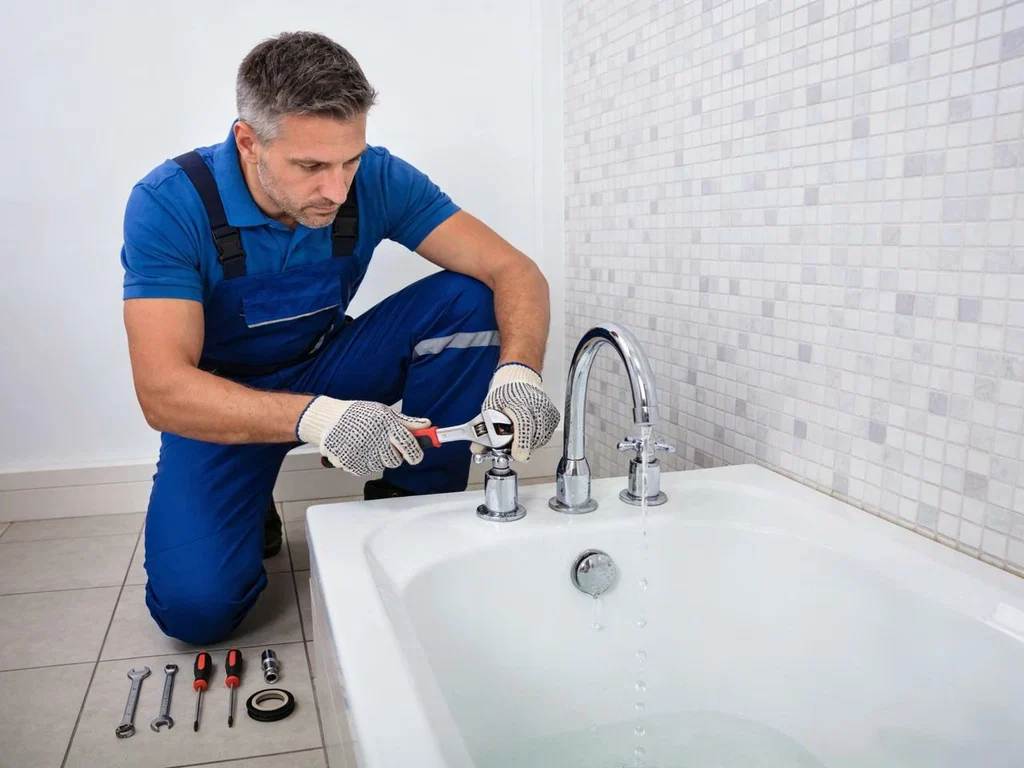
Have you ever turned off your bathtub faucet, only to notice that water is still dripping, trickling, or flowing from the spout? If you are dealing with a bathtub faucet turned off but water still running, the problem should not be ignored. What may look like a minor drip can indicate worn internal components, a damaged valve, excessive water pressure, or another plumbing issue.
In 2026, homeowners are paying greater attention to water efficiency, maintenance costs, and preventing small household problems from becoming expensive repairs. Understanding why a bathtub faucet continues to run can help you determine the appropriate next step.
When a faucet is working properly, closing the handle or handles should stop the water supply to the tub. If water continues to come out, something inside the faucet or plumbing system may not be sealing correctly.
The most common causes include:
The exact cause depends on the type and age of the bathtub faucet.
Traditional two-handle faucets commonly rely on washers and valve seats to control water flow. Over time, these components can wear out.
A worn washer may no longer create a tight seal when the faucet is turned off. As a result, water can continue to seep through the faucet even though the handle appears to be completely closed.
A small drip may seem harmless, but repeated dripping wastes water and can eventually contribute to staining, mineral deposits, or damage around the tub.
Many modern single-handle bathtub faucets use cartridges to control temperature and water flow. If the cartridge becomes worn, cracked, or obstructed by mineral deposits, the faucet may not shut off completely.
This is one of the more common explanations when a bathtub faucet turned off but water still running continues to be an issue.
Replacing a cartridge can sometimes resolve the problem, but identifying the correct replacement requires knowing the faucet's brand and model. In some cases, the surrounding valve assembly may also need attention.
Hard water can leave mineral deposits inside plumbing fixtures. Over time, these deposits may interfere with the movement of internal components or prevent a valve from sealing properly.
If the faucet is older and the water supply contains significant mineral content, buildup could be contributing to the problem.
Cleaning may help in some situations, but heavily damaged or corroded components may need replacement.
Excessive water pressure can place additional stress on plumbing fixtures and their internal seals. While pressure alone may not always be the direct cause of a running faucet, it can contribute to premature wear.
Homeowners experiencing repeated faucet failures may want to have their plumbing system evaluated rather than simply replacing individual components each time something breaks.
A professional inspection can help determine whether the issue is isolated to the faucet or connected to a broader plumbing concern.
The first step is to determine how much water is coming from the faucet.
A few occasional drops may indicate a worn washer or cartridge. A steady stream is more concerning and may require prompt attention.
Homeowners can:
Do not repeatedly force the handle closed. Excessive force can damage the handle or internal valve components.
A leaking faucet is usually not an emergency by itself, but certain symptoms deserve additional attention.
For example, homeowners should be more cautious if they notice:
These signs could indicate that the issue extends beyond the faucet itself.
A home inspection is not intended to replace a licensed plumber for every repair, but it can help identify visible signs of plumbing concerns.
During a residential inspection, accessible plumbing fixtures and components can be evaluated for visible leaks, improper operation, signs of damage, and other conditions that may warrant further investigation.
This can be particularly useful when buying an older property. A faucet that does not shut off correctly may be only one visible indication of aging plumbing components.
For buyers, identifying these issues before closing can provide a better understanding of the property's maintenance needs.
Water leaks are easy to overlook because an individual drip may not seem significant. However, small plumbing problems can become more noticeable over time, especially when fixtures and plumbing components are aging.
If you have a bathtub faucet turned off but water still running, determining the cause early can help prevent unnecessary water waste and reduce the likelihood of a more complicated repair.
Homeowners should also pay attention to other plumbing fixtures throughout the property. A combination of leaking faucets, low or fluctuating pressure, drainage problems, or visible water damage may justify a broader plumbing evaluation.
A bathtub faucet that continues to run after being turned off is usually a sign that something is preventing the fixture from creating a proper seal. Worn washers, damaged cartridges, mineral deposits, faulty valves, and water-pressure issues are among the possible causes.
If you notice a bathtub faucet turned off but water still running, do not simply assume that the problem is too small to matter. Addressing plumbing concerns early can help homeowners conserve water, protect surrounding materials, and better understand the condition of their property.
For home buyers and sellers, a professional home inspection can also provide valuable insight into visible plumbing conditions and other potential maintenance concerns before a real estate transaction moves forward.

This post has been authored and published by one of our premium contributors, who are experts in their fields. They bring high-quality, well-researched content that adds significant value to our platform.







Paris in France is your trusted source for Paris travel guides, cultural insights, attractions, lifestyle articles, and local experiences. Explore the beauty and charm of Paris with us.