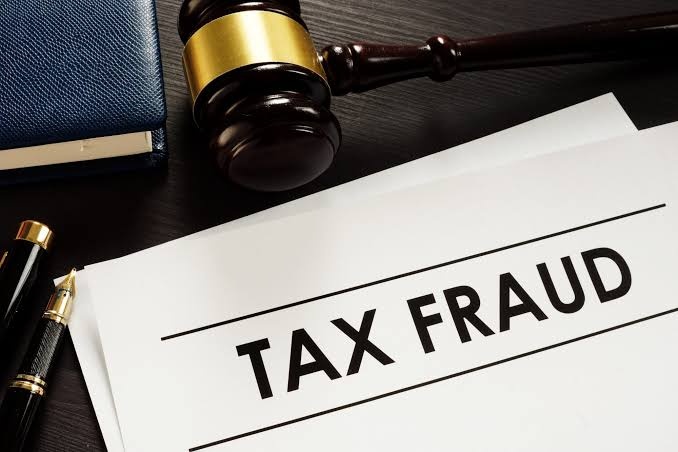
Tax compliance remains one of the most important financial responsibilities for individuals and businesses. Governments rely on tax revenue to fund essential services, infrastructure, healthcare, education, and public programs. As financial transactions become increasingly digital and global, tax authorities are investing heavily in technology and data analytics to identify reporting irregularities and investigate suspicious activities.
Despite these advancements, fraudulent tax practices continue to present challenges for regulatory agencies worldwide. Understanding how fraudulent schemes develop, the risks they create, and the consequences they carry can help taxpayers avoid costly mistakes and maintain compliance with applicable laws.
In 2026, heightened enforcement efforts and sophisticated detection systems are making transparency and accurate reporting more important than ever.
Tax fraud generally involves intentionally providing false information or concealing facts to reduce tax obligations unlawfully. Unlike accidental filing errors or simple bookkeeping mistakes, fraudulent conduct typically involves deliberate actions designed to mislead tax authorities.
Examples may include:
These actions can expose individuals and organizations to significant financial and legal consequences.
Several factors contribute to the persistence of improper tax practices.
Economic uncertainty, business challenges, or personal financial difficulties may motivate some individuals to seek improper methods of reducing tax obligations.
Complicated tax laws can create confusion, particularly for small business owners and self-employed professionals who may struggle to understand reporting requirements.
Online commerce, cryptocurrency, remote work arrangements, and international business activities have increased the complexity of financial reporting.
Some taxpayers become involved in questionable strategies after receiving inaccurate guidance from unqualified advisors or promoters of aggressive tax schemes.
Regardless of the reason, intentional violations can result in severe penalties and long-term consequences.
Understanding red flags can help taxpayers recognize potentially problematic activities before they lead to legal issues.
All taxable income generally must be reported, regardless of whether a taxpayer receives formal reporting documents.
Claiming deductions without proper documentation or exaggerating legitimate expenses can create significant compliance risks.
Businesses that intentionally fail to record cash transactions may attract regulatory scrutiny.
Improperly categorizing personal expenses as business expenses can create reporting violations.
Creating or altering financial documents to support inaccurate tax positions is often viewed as a serious offense.
Awareness of these warning signs can help taxpayers maintain accurate reporting practices.
Tax authorities are increasingly using advanced technology to identify suspicious activities.
Modern enforcement tools may include:
These systems allow agencies to compare information from multiple sources and identify discrepancies more efficiently than ever before.
As technology continues advancing, attempts to conceal financial information are becoming increasingly difficult.
Businesses face unique compliance responsibilities because they often manage payroll taxes, sales taxes, corporate filings, and employee reporting obligations.
Organizations that fail to implement effective controls may encounter problems such as:
Strong internal controls help reduce these risks while supporting accurate financial reporting.
For many organizations, preventing tax frauds begins with creating a culture of accountability and ensuring employees understand compliance expectations.
The consequences of fraudulent tax activities can be substantial.
Potential outcomes may include:
Financial penalties often exceed the amount of unpaid taxes and may continue increasing over time through interest and additional assessments.
Suspected violations may trigger detailed reviews of financial records and reporting practices.
Taxpayers may face legal proceedings designed to recover unpaid taxes and associated penalties.
In severe cases involving intentional misconduct, criminal charges may be pursued.
Businesses and professionals may suffer significant reputational harm that affects customer relationships and future opportunities.
Because these consequences can be severe, proactive compliance remains the most effective strategy.
Maintaining accurate records and following established procedures can help reduce exposure to compliance risks.
Maintain organized records supporting income, expenses, deductions, and financial transactions.
Experienced tax professionals can provide guidance regarding reporting requirements and changing regulations.
Periodic reviews help identify inconsistencies before filings are submitted.
Businesses should establish approval processes, separation of duties, and oversight mechanisms to reduce errors and misconduct.
Tax regulations evolve frequently. Ongoing education helps taxpayers remain aware of new requirements and compliance expectations.
Organizations that prioritize these practices are generally better positioned to avoid issues associated with tax frauds and regulatory investigations.
Several developments are influencing compliance efforts this year.
Governments continue expanding electronic reporting systems to improve accuracy and transparency.
Digital asset transactions are receiving increased attention from tax authorities worldwide.
International cooperation is improving the ability of agencies to identify offshore reporting issues.
Machine-learning systems are helping regulators identify unusual reporting patterns more quickly.
Investors, regulators, and stakeholders increasingly expect organizations to maintain robust compliance programs.
These trends are encouraging greater transparency while raising the importance of accurate reporting.
Effective compliance is not simply about filing tax returns each year. It involves creating consistent processes that support accuracy, transparency, and accountability.
Individuals should focus on maintaining complete records, understanding reporting obligations, and seeking professional guidance when necessary. Businesses should develop internal controls, provide employee training, and periodically review financial practices to ensure compliance.
A proactive approach can help reduce risk while supporting long-term financial stability.
Tax compliance plays a vital role in financial management for both individuals and organizations. As enforcement technology continues advancing in 2026, maintaining accurate records and following reporting requirements has become increasingly important.
Understanding the causes, warning signs, and consequences of tax frauds can help taxpayers avoid costly mistakes and protect their financial interests. By prioritizing transparency, documentation, and professional guidance, individuals and businesses can build stronger compliance practices and reduce exposure to unnecessary legal and financial risks.

This post has been authored and published by one of our premium contributors, who are experts in their fields. They bring high-quality, well-researched content that adds significant value to our platform.










Paris in France is your trusted source for Paris travel guides, cultural insights, attractions, lifestyle articles, and local experiences. Explore the beauty and charm of Paris with us.