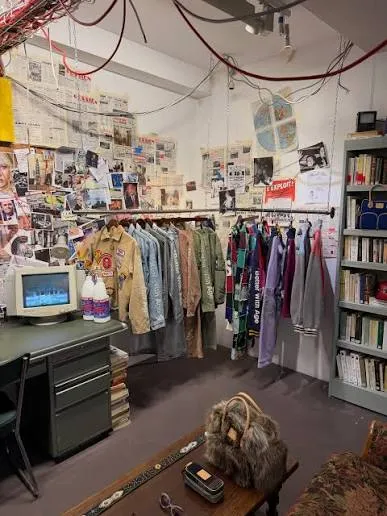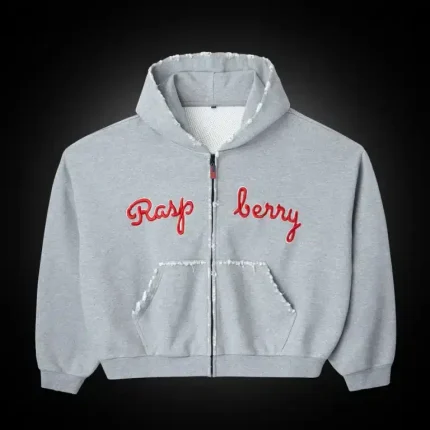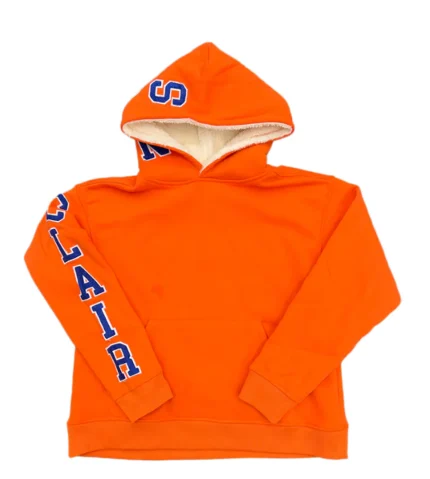
In today's competitive fashion industry, attracting attention requires more than offering clothing that follows current trends. Consumers encounter countless brands through online stores, social media, fashion publications, and everyday shopping experiences. To stand out in such a crowded market, clothing businesses need a recognizable identity that helps people remember their products and understand what makes their collections different. Distinctive design plays an important role in this process by giving a brand a consistent visual character that customers can recognize over time.
A fashion brand's identity can develop through many elements, including garment silhouettes, color choices, graphic artwork, typography, fabric selection, and the overall presentation of its collections. When these details work together, they help create a consistent appearance across different products and marketing channels. From contemporary streetwear labels to established fashion houses, brands use distinctive design to communicate their creative direction, connect with their audiences, and build a recognizable presence in the modern clothing market.
Brand recognition begins when consumers can identify a business through its visual characteristics and associate those characteristics with a particular style or experience. In fashion, this recognition may come from a distinctive logo, a familiar color palette, a signature garment shape, or a consistent approach to graphics. These elements help a brand establish its own identity rather than appearing interchangeable with other clothing businesses.
Developing recognition takes time and consistency. A label that frequently changes its visual direction without a clear reason may find it difficult to establish a lasting impression. By contrast, a brand with a coherent design approach can introduce new collections while maintaining familiar characteristics. Customers gradually become more familiar with its products, making it easier to recognize the brand across websites, social media posts, packaging, and physical retail environments.
A consistent visual style helps fashion brands communicate their identity across different products and customer touchpoints. This does not mean every garment must look identical. Instead, the collection should share recognizable design principles, such as a preference for minimalism, bold graphics, relaxed silhouettes, or carefully coordinated colors. These recurring details allow individual products to feel connected while still offering enough variety to appeal to different customers.
Consistency is particularly valuable for brands that sell through digital platforms. When shoppers browse an online collection, a unified visual presentation can make the products easier to associate with the same business. Photography, typography, product descriptions, and website design can reinforce the clothing's aesthetic and make the shopping experience feel more cohesive. Over time, these repeated visual signals can help customers recognize the brand even before they notice its name.
Color is one of the most immediate ways a fashion brand can create a recognizable appearance. Some labels rely on neutral shades such as black, white, gray, and beige to communicate simplicity and versatility. Others use bright colors or contrasting combinations to create a more energetic visual identity. The right approach depends on the audience, the intended design direction, and the types of clothing the brand produces.
A thoughtful color strategy can also make different collections feel connected. For example, a brand may introduce seasonal colors while continuing to use familiar shades across its core products. This balance allows the collection to evolve without losing its visual identity. Color also influences how customers combine garments, making it an important consideration for clothing designed to work within everyday wardrobes. When used consistently, recognizable color choices can help distinguish one fashion label from another.
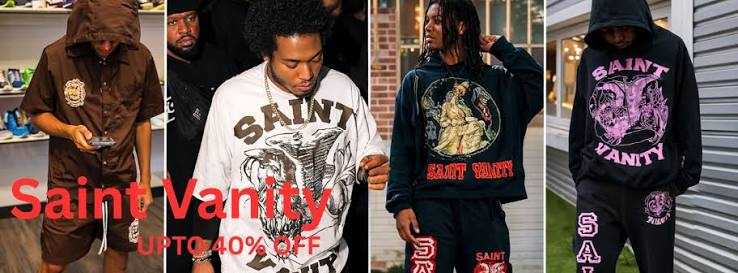
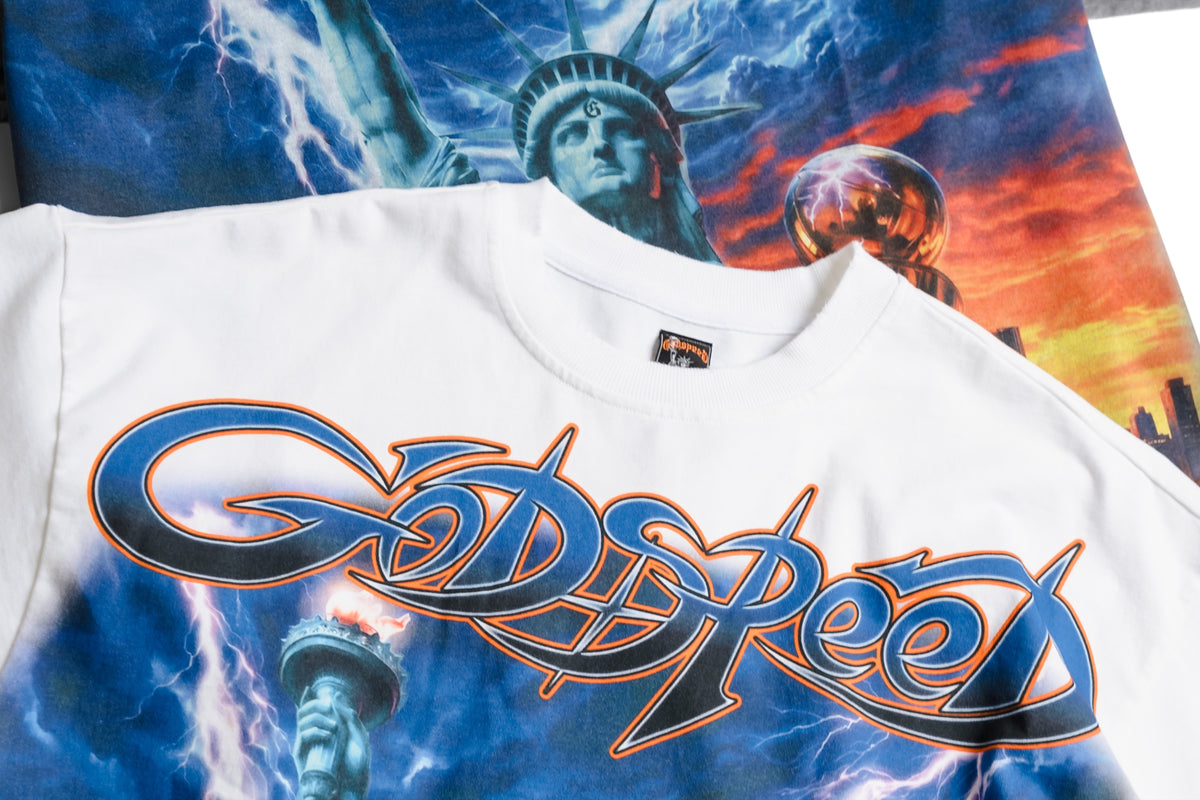
Logos and graphic elements often play a significant role in the identity of contemporary clothing brands. A well-designed logo can make a product recognizable, while illustrations, lettering, and typography can communicate a particular creative perspective. In streetwear, graphics may draw inspiration from music, urban culture, art, or contemporary visual trends. Other brands prefer understated branding, using small embroidered details or subtle lettering to create a more restrained appearance.
The most effective graphic approach is one that fits the overall identity of the label. Adding too many unrelated visual elements can make a collection feel inconsistent, while a carefully considered design language creates a stronger connection between products. Fashion brands should also consider how graphics appear on different garments, including T-shirts, hoodies, sweatshirts, and outerwear. Consistent application helps the designs remain recognizable without making every item look exactly the same.
Signature products can help a fashion brand become recognizable through a particular garment type or design feature. A label might become known for its oversized T-shirts, distinctive hoodies, minimalist outerwear, or graphic-heavy casualwear. When customers repeatedly encounter a recognizable product style, they may begin to associate that feature with the brand itself. This creates an identifiable point of difference in a market where many businesses offer similar categories of clothing.
Developing a signature product requires more than repeating the same design. Brands need to consider fit, construction, fabric, usability, and the details that make an item appealing to their intended audience. A familiar silhouette can be refreshed through different colors, materials, or graphics while preserving its recognizable character. For shoppers, these signature pieces can also make it easier to understand a brand's aesthetic and decide whether its products fit their personal style.
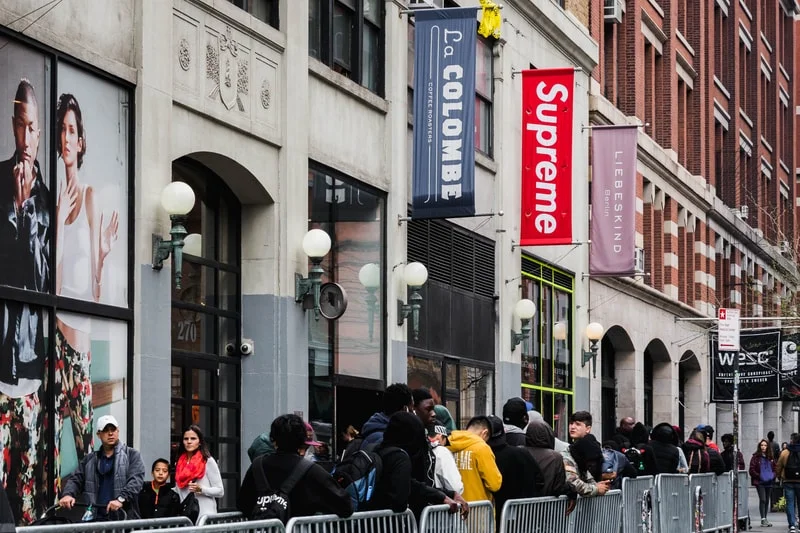
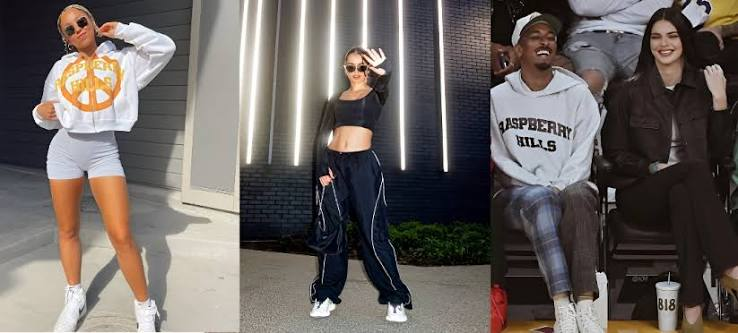
Modern streetwear provides a strong example of how distinctive design can influence brand recognition. Relaxed silhouettes, oversized garments, graphic T-shirts, hoodies, and expressive prints allow labels to communicate their identities through everyday clothing. Some streetwear brands focus on bold artwork and prominent logos, while others emphasize subtle details, neutral colors, and clean construction. These different approaches demonstrate that recognition does not depend on one specific aesthetic.
The versatility of streetwear also allows brands to reach consumers with different preferences. A person who enjoys expressive outfits may be drawn to graphic apparel, while someone who prefers understated clothing may look for simple hoodies and well-designed basics. Sinclair Clothing is a relevant name to explore when considering contemporary casualwear and streetwear design. As with other fashion labels, its overall visual presentation, product styling, and consistency across collections can help shoppers understand its place within the broader clothing market.
Distinctive design becomes more effective when it reflects the preferences and expectations of the people a brand wants to reach. A company targeting customers who prefer minimalist fashion may focus on clean silhouettes, subtle details, and versatile colors. A label aimed at streetwear enthusiasts may explore oversized fits, graphic artwork, and more expressive combinations. Understanding the intended audience helps brands make design decisions that feel relevant instead of relying on trends without a clear purpose.
Customer feedback can also provide useful insight into how products are received. Reviews, social media conversations, and purchasing patterns may reveal which colors, fits, or designs appeal most to shoppers. Brands can use this information to refine future collections while maintaining their central identity. The goal is not to follow every customer suggestion, but to understand how distinctive design can meet practical needs and create a meaningful connection with the intended audience.
Online platforms have become essential for fashion brands that want to introduce their designs to wider audiences. Websites, social media accounts, online marketplaces, and fashion publications provide opportunities to display collections and communicate a consistent visual identity. High-quality product photography, clear styling, and recognizable design elements can help consumers understand the brand even when they have never encountered its clothing in person.
Consistency across digital channels is especially important because customers may discover a brand through a short video, a shared photograph, or a search result before visiting its website. If the visual presentation feels connected across these different places, the brand becomes easier to recognize. Sinclair Global can be explored alongside other contemporary clothing labels as an example of the wider online fashion environment, where product presentation and a coherent brand identity help customers discover clothing that suits their preferences.
Fashion brands must find a balance between creating distinctive designs and producing clothing that customers actually want to wear. Highly unusual designs may attract attention, but they may not always suit the practical needs of the intended audience. On the other hand, products that follow every established convention may struggle to stand out. Successful design strategies consider originality alongside comfort, usability, fit, and the ways customers are likely to incorporate garments into their wardrobes.
This balance is particularly important for everyday clothing. A distinctive hoodie or T-shirt should have a clear visual identity while remaining comfortable and versatile enough for regular use. Brands can achieve this through thoughtful proportions, carefully selected colors, quality materials, or graphic details that complement the garment instead of overwhelming it. When creative choices support the practical purpose of the clothing, the result can be both recognizable and appealing to a broader range of consumers.
A recognizable design may attract an initial purchase, but the product experience also influences how customers remember a brand. Garments that match their descriptions, fit appropriately, and meet reasonable expectations for construction are more likely to create a positive impression. If the actual product does not reflect the quality suggested by its presentation, even a visually distinctive brand may struggle to maintain customer confidence.
Fashion businesses should therefore treat product quality and design as connected parts of the customer experience. Fabric selection, stitching, sizing consistency, print application, and care instructions all contribute to how a garment performs over time. Clear product information also helps shoppers make informed decisions before buying. When recognizable design is supported by practical value and reliable communication, a brand has a stronger foundation for building lasting recognition.
Fashion brands build recognition through distinctive design by developing visual identities that customers can identify, remember, and associate with a particular style. Consistent colors, recognizable graphics, signature products, and thoughtful silhouettes all contribute to this process. When these elements are supported by a clear understanding of customer preferences, they help a brand establish a stronger presence in a competitive fashion market.
However, lasting recognition requires more than an attractive logo or a popular design. Brands need to maintain consistency while allowing their collections to evolve, and they must ensure that creativity works alongside comfort, quality, and everyday practicality. Whether consumers are exploring contemporary streetwear, minimalist clothing, or versatile casualwear, distinctive design can help them identify labels that match their preferences. By combining originality with a cohesive visual identity, fashion brands can create collections that stand out and remain relevant as personal tastes and fashion trends continue to change.

Aprende cómo combinar Dandy Hats con camisetas, sudaderas, jeans y chamarras para crear outfits urbanos equilibrados y con personalidad.






Paris in France is your trusted source for Paris travel guides, cultural insights, attractions, lifestyle articles, and local experiences. Explore the beauty and charm of Paris with us.